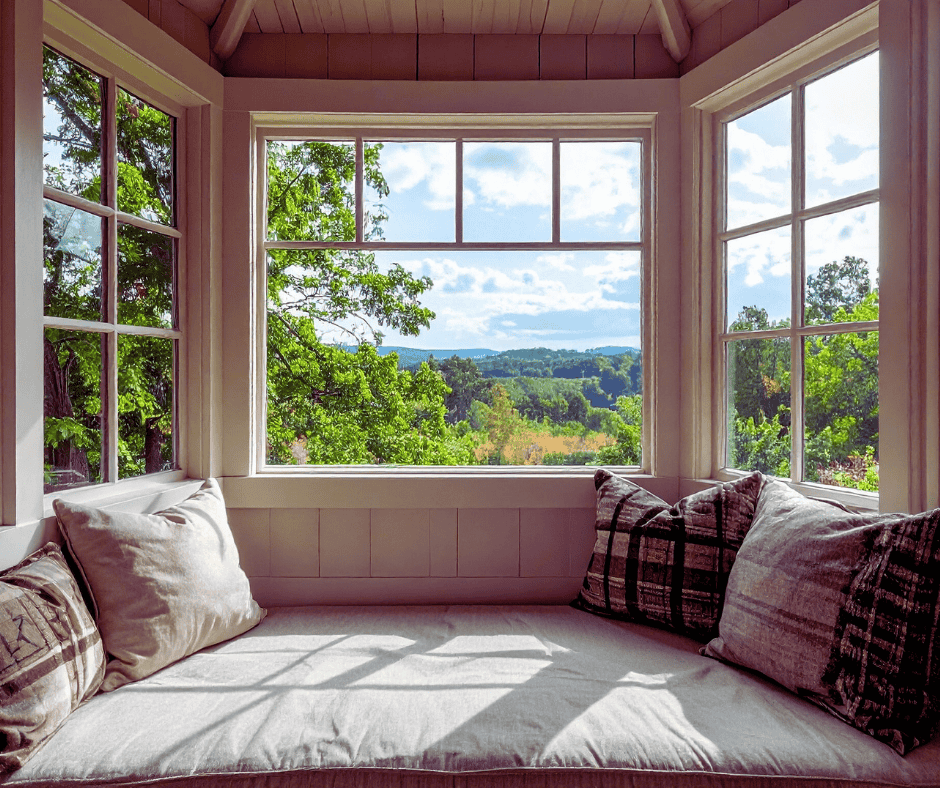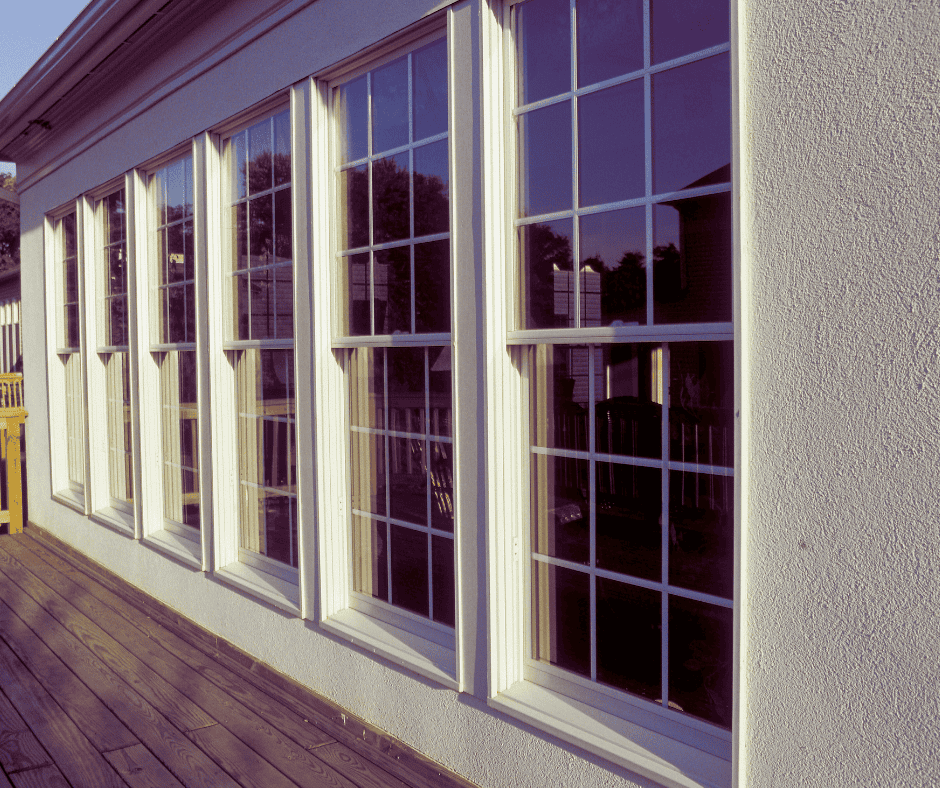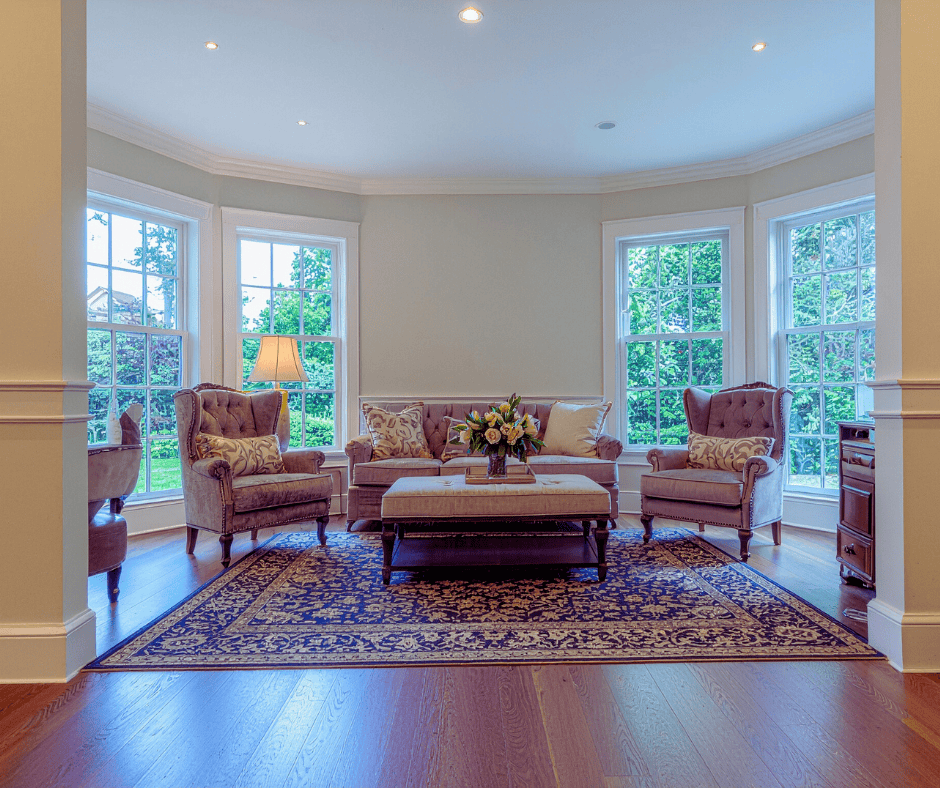
Many Sacramento homes were built for big glass. Drive through the mid-century ranches of Arden-Arcade, Carmichael, and South Land Park and you will find wide living-room walls filled by a single large assembly: a fixed picture window in the center flanked by operable windows on each side. Installed decades ago, these original combination units are now well past their prime. Replacement combination windows bring those big, defining openings up to modern performance while keeping the wide sightlines that make them special. This is a look at why these assemblies fail and how a proper replacement restores them.
Best Exteriors Construction, Inc. has installed windows across the Sacramento area for over two decades from 5041 College Oak Dr Ste C, holds a 4.9 out of 5 rating across 230-plus reviews, and is CSLB licensed and insured under License #923505. The company installs complete window units to California's Title 24 energy code on every project. The points below explain the combination-window story. Every home is different, so treat this as background rather than a substitute for a free in-home assessment.
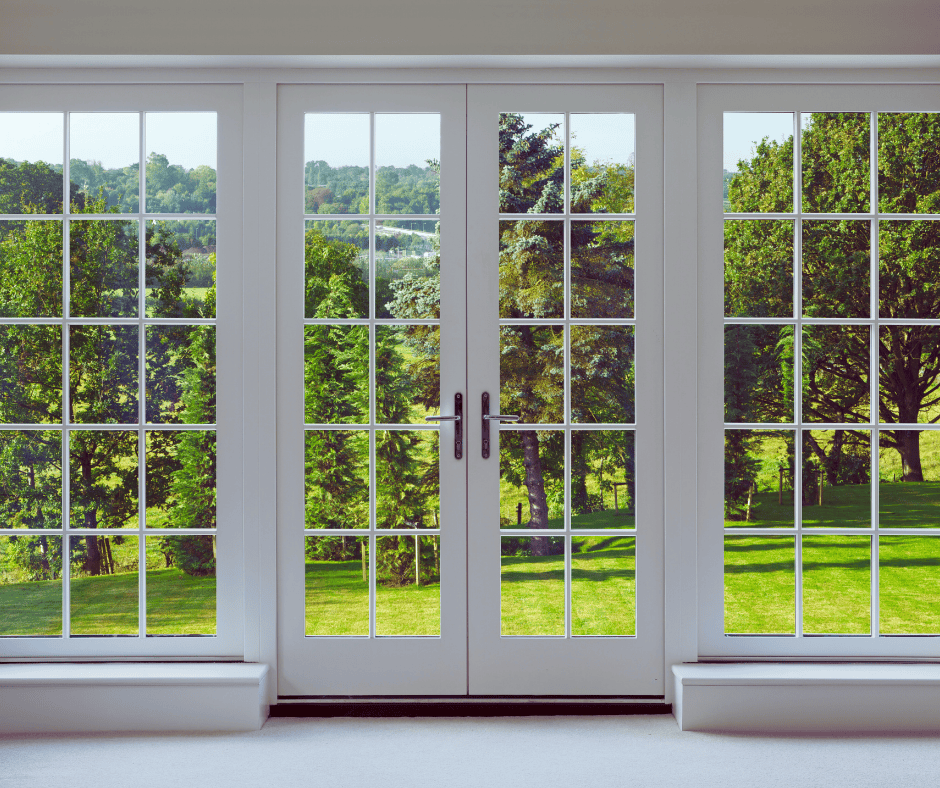
A combination window joins two or more window units into one assembly. The most common layout in Sacramento places a fixed picture window in the center, with operable windows, often sliders or hung units, on each side. The fixed center pane delivers the view and the light with maximum efficiency, since it has no operating seams, while the operable flankers provide ventilation. It is an engineered way to fill a wide opening with both a big view and working windows, and it is a layout that has defined the front rooms of Sacramento homes for generations.
These assemblies define the front rooms of countless Sacramento homes. Older Land Park and East Sacramento homes feature picture-plus-flanker arrangements and transom-topped openings, and mid-century ranches carry wide living-room combinations built for the era's open, light-filled style. When one of these assemblies fails, replacement combination windows are the way to restore the whole opening as a single coordinated unit rather than patching one failing part and living with a mismatched result on the home's most prominent window.
Because the picture unit in a combination window has no operating seams, it seals tightly and is inherently energy efficient, which suits Sacramento's summer heat.
Combination assemblies are joined at the mull with reinforced joints and structural support sized to the opening, since a wide unit carries real loads across the wall.
At least one flanker in a bedroom combination assembly must open wide enough for emergency egress, a code requirement a licensed installer builds into the design.
The original combination units in Sacramento's older homes are typically single-pane glass in aluminum or aging frames, and they fail in familiar ways. The large fixed center pane often fogs as its seal breaks down, the conductive frames sweat and waste energy, and the operable flankers stop sliding or locking as their tracks and hardware wear out. The joints between the units, where the assembly is most vulnerable, can leak air and water over time.
Because the assembly works as a whole, a failure in one part undermines the entire opening. A homeowner who replaces just one flanker while leaving the rest ends up with a mismatched patchwork that still leaks and still looks dated. Replacement combination windows address the full assembly at once, so the whole opening gets modern glass, tight seals, and reliable operation. That coordinated replacement is what restores both the performance and the appearance of the wide front window.
Combination assemblies carry real technical requirements, which is why they are a job for an experienced installer. The units must be properly mulled, meaning joined at the mull, with reinforced mull joints and structural support sized to the opening, since a wide assembly carries real loads. Where the opening is large, the header and support must be right so the assembly stays sound and square for the long run, since a sagging or twisted opening would strain the seals and the operation of the flankers over time.
The glass and detailing matter too. Dual-pane insulated glass with a low-emissivity coating handles the Sacramento heat, and tempered safety glass is used where code requires it near floors and doors. Matched sightlines and frame profiles across the fixed and operable units give the finished assembly a clean, continuous look. Done correctly, replacement combination windows deliver a wide opening that performs and looks like one intentional unit rather than a set of mismatched parts.

The large glass area of a combination assembly makes its energy performance especially important in Sacramento. A wide single-pane picture unit in an old aluminum frame is a major source of solar heat gain, letting the afternoon sun pour in through a large area of glass and driving up the summer cooling bill month after month. Because these assemblies often face the front of the home and take direct sun, upgrading their glass has an outsized effect on comfort and energy use in the valley heat.
Modern replacement combination windows change that with dual-pane insulated glass and a solar-control low-emissivity coating on the fixed and operable units alike. The fixed center pane, with no operating seams, is inherently efficient, and the coated glass blocks much of the sun's heat while keeping the view and the light. The operable flankers add ventilation to catch the evening Delta breeze that cools the valley after a hot day. Together, view, light, and airflow come from one engineered unit that performs far better than the original.
Combination assemblies come in several configurations to suit different openings and rooms. The classic three-wide layout places a fixed picture unit in the center with operable flankers on each side, a design that fills a wide living-room wall. Picture-with-slider and picture-with-casement combinations pair the big center view with the flanker style that fits the home, and a transom over the assembly adds height and light in rooms with tall walls.
Homeowners also use combination windows to reconfigure an opening, joining two or three smaller windows into one wide assembly for more light and a cleaner look, or matching a new assembly to the tree-canopy and garden views that make Sacramento homes appealing. Choosing the configuration is part of the design conversation, and matching it to the room and the home's style is what makes replacement combination windows feel like a natural part of the house rather than a generic swap.
Because combination assemblies are large and often sit in living spaces and bedrooms, they carry code considerations. Bedrooms need at least one operable unit that meets egress requirements, so a flanker in a bedroom assembly must open wide enough for emergency exit. Tempered safety glazing is required where glass sits near floors, doors, or other locations the code specifies, which is common with the large panes in these assemblies.
A licensed installer handles these requirements as part of the project, specifying egress-rated flankers and tempered glass where needed and pulling any permits the work requires, including for opening changes. Getting the code details right is part of what separates a professional replacement from a risky shortcut. For a Sacramento homeowner, having replacement combination windows installed by a licensed contractor means the finished assembly is both compliant and correct.
A common mistake with these wide openings is replacing only the part that visibly fails, most often a flanker that no longer slides or a center pane that has fogged. The trouble is that the units in an old assembly are all the same age and all subject to the same wear, so fixing one leaves the rest to fail soon after. Worse, a single new unit rarely matches the old frames in profile, color, or glass tint, leaving a patchwork look on the most prominent window in the home.
Replacing the full assembly at once solves both problems. The whole opening gets modern insulated glass, tight seals, and matched frames, so it performs as one unit and looks like one intentional design. The mull joints between the units are rebuilt to current standards, closing the air and water leaks that developed at those seams over the decades. For a homeowner, addressing the entire combination window rather than a single piece is what turns a tired front opening into a lasting upgrade that holds up for decades.

Because a combination assembly is usually the largest and most visible window in a home, its appearance carries real weight. The replacement can match the original layout to preserve the home's character, or update it where the homeowner wants a different balance of view and ventilation. Grid patterns and divided-light styling can echo the look of a period home in Land Park or East Sacramento, while clean, unbroken glass suits the simpler lines of a mid-century ranch in Arden-Arcade or Carmichael.
Matched sightlines are the detail that makes a combination assembly look right. When the frame profiles, the reveals, and the glass all align across the fixed and operable units, the wide opening reads as a single, coherent window rather than a group of separate ones. An experienced installer plans all of these details so the finished replacement combination windows suit the architecture of the home, which matters most on the front-facing openings that shape a home's curb appeal in a Sacramento neighborhood.
The homes most likely to carry aging combination assemblies are concentrated in Sacramento's postwar neighborhoods. Arden-Arcade, Carmichael, and South Land Park are full of ranch homes from the 1950s through the 1970s, built with the wide living-room combination units the era favored. Rosemont, College Greens, Tahoe Park, and parts of Rancho Cordova and Citrus Heights share the same housing stock and the same aging front windows now reaching the end of their service life.
Older neighborhoods add their own versions of the assembly. Land Park, Curtis Park, and East Sacramento homes often feature picture-plus-flanker bays and transom-topped openings that call for careful, character-matched replacement. A local installer who has worked across these areas understands the typical configurations and the structural details behind them, which makes for a smoother project. That familiarity with Sacramento's varied housing stock is part of what a homeowner gains from a contractor rooted in the region.
Replacing a combination assembly follows a clear path. It starts with a free consultation to review the existing opening and the homeowner's goals, followed by careful measurement to confirm the dimensions and the structural situation. The homeowner selects the configuration, the flanker styles, the frame material, and the glass, and any permit needs, including for opening changes, are identified. Then the crew removes the old assembly, installs the new mulled unit sealed and supported in the opening, and completes a final walkthrough.
Because the full assembly is installed as an engineered unit rather than a patched set of parts, the finished window seals, operates, and looks as designed, backed by the manufacturer product warranty and a lifetime warranty on the installation. Throughout the work, the crew protects the home, its floors, and its furnishings, and cleans up the site completely each day. For a Sacramento homeowner, knowing these steps in advance removes the uncertainty from replacing a large, prominent window and makes the project easy to plan around a busy household.
Best Exteriors is CSLB licensed and insured under License #923505, carries a BBB A+ rating, and installs windows from brands such as Andersen, Milgard, Pella, and Simonton to Title 24 standards. The company installs the full assembly rather than glass only, handles plans and permits including any opening changes, backs its work with a lifetime warranty on installation, and offers 0 percent financing with zero down payment. Every project begins with a free in-home or virtual consultation and upfront pricing.
A Sacramento homeowner with a dated combination assembly can call (916) 252-2693 to book a free consultation and get clear pricing. Best Exteriors serves Sacramento and nearby communities including Carmichael, Citrus Heights, Folsom, Rancho Cordova, and Elk Grove. Because these wide assemblies carry structural and configuration considerations, an on-site look is the right way to plan replacement combination windows that fit the opening and perform in the valley climate.
Redirect to:
|
This page is a redirect. The following categories are used to track and monitor this redirect:
|